

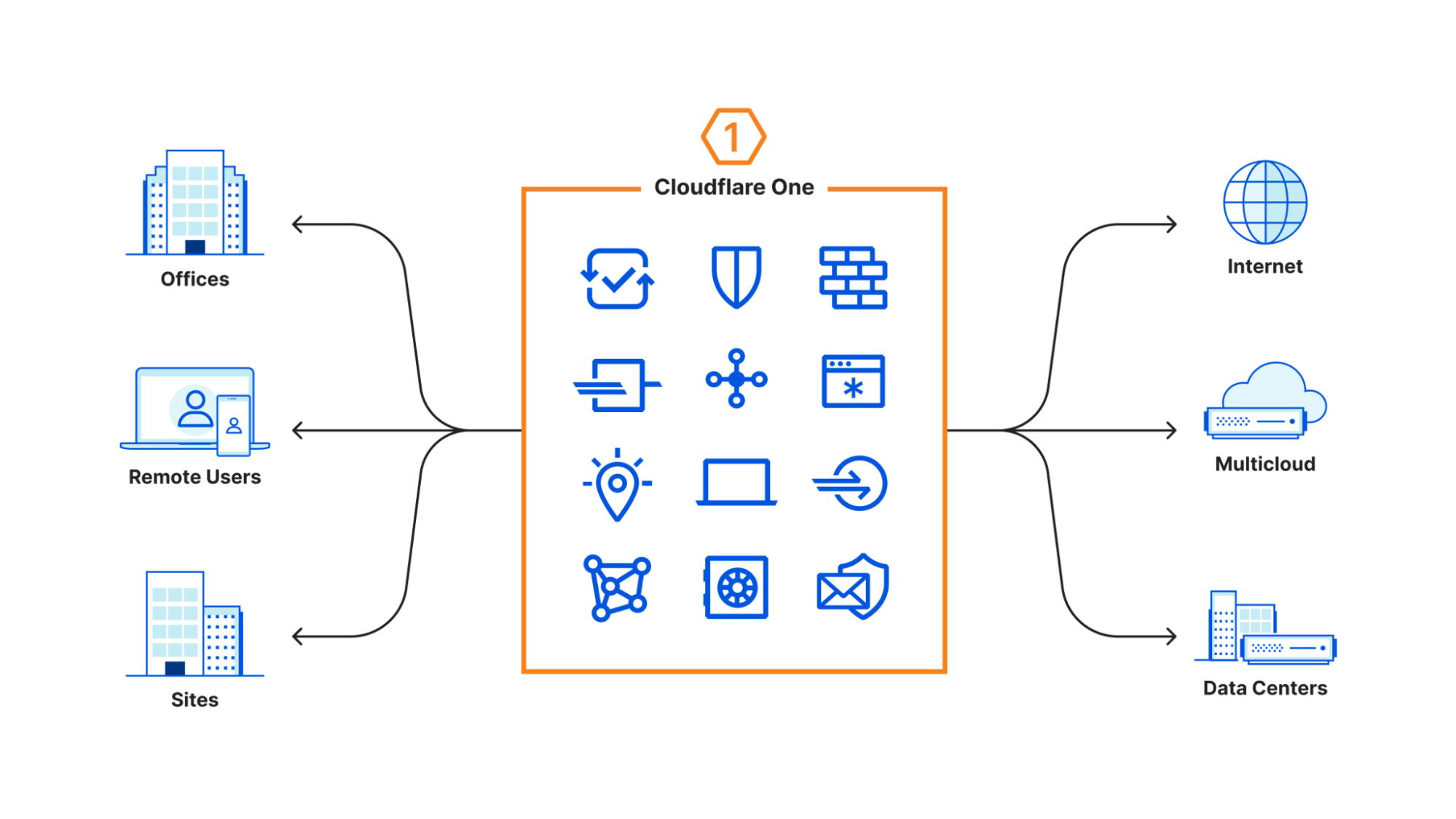
Nexarq.ai builds calmly opinionated experiences. When we inherit an application that already sits behind Cloudflare, our first instinct is to turn that proxy into an intelligent edge platform—not just a pass-through.
TL;DR
- Anchor every proxied app behind Cloudflare App Security primitives (DNS, WAF, Bot Management, API Shield) before tuning performance knobs.
- Let Workers orchestrate CDN, database compute (D1/Hyperdrive), and container workloads so the edge becomes your control plane.
- Ship with living reference architectures and runbooks so teams can evolve safely without redrawing diagrams every sprint.
Why Cloudflare-first matters for proxied apps
- Unified policy surface – DNS, security, caching, routing, and workers are authored in the same dashboard/API, drastically lowering handoff latency between teams.
- App-aware security – Managed rulesets, API schema validation, and mutual TLS are edge-native, so traffic never leaves the Anycast perimeter unvetted.
- Programmable CDN – Workers and Cache API let us compose micro-optimizations (compression, A/B headers, signed URLs) without rebuilding the origin.
- Serverless adjacency to data/compute – With D1, Vectorize, R2, and Workers calling out to Cloudflare’s container platform or external clusters, we can push data gravity back toward the user.
Reference architecture #1 – Zero-trust shield with intelligent CDN
+--------------------------------------------------------------+
|                          Clients                             |
|  - Browsers                                                  |
|  - Mobile apps                                               |
|  - API consumers                                             |
+--------------------------------------------------------------+
                              |
                              v
+-----------------------------+         +----------------------+
|  Cloudflare DNS & Anycast   | -----> |  Zero-Trust Policies |
+-----------------------------+         +----------------------+
                              |
                              v
+--------------------------------------------------------------+
|  WAAP Layer                                                   |
|  - DDoS / Rate Limiting                                      |
|  - WAF Managed Rules                                         |
|  - API Shield (mTLS, schema validation)                      |
|  - Bot Management                                            |
+--------------------------------------------------------------+
                              |
                              v
+-----------------------------+         +----------------------+
|  Workers Security Adapter   | -----> |  Security headers,   |
|                             |        |  auth, logging       |
+-----------------------------+         +----------------------+
                              |
                              v
+-----------------------------+                +---------------+
|  Cache Tier (Cache API,    |  ----------->  |  Static R2    |
|  Tiered Cache, Reserve)    |   cold miss    |  assets       |
+-----------------------------+                +---------------+
                              |
                              v
+--------------------------------------------------------------+
|              Origin APIs / Services                          |
|  - Kubernetes / microservices                               |
|  - Legacy monolith                                          |
|  - Third-party SaaS APIs                                    |
+--------------------------------------------------------------+
Key plays
- Terminate TLS in Cloudflare, enforce mutual TLS for admin paths, and attach Bot Management challenges to credential-stuffing patterns.
- Inject security headers (CSP, F-LoC opt-out, Signed Exchanges) directly in the worker to guarantee uniform posture.
- Use Cache Reserve or Tiered Cache so the origin sees only cache misses while Workers handle per-user personalization via KV or Durable Objects.
Worker security adapter example
import { createClient } from '@cloudflare/kv-asset-handler';

export default {
  async fetch(request, env, ctx) {
    const cf = request.cf;

    // 1. Enforce geography + device posture before origin
    if (!['in', 'sg', 'us'].includes(cf?.country ?? '')) {
      return new Response('Region blocked', { status: 451 });
    }

    // 2. Check API schema via API Shield metadata header
    if (!request.headers.get('cf-api-schema-valid')) {
      return new Response('Schema mismatch', { status: 400 });
    }

    // 3. Serve cached static variants or fall through to origin
    const asset = await createClient(env.ASSETS)
      .get(new URL(request.url).pathname);
    if (asset) {
      return new Response(asset.body, {
        headers: { 'cache-control': 'max-age=86400, immutable' },
      });
    }

    // 4. Proxy to origin with Zero-Trust service token attached
    const originResponse = await fetch(env.ORIGIN_URL, {
      headers: {
        ...Object.fromEntries(request.headers),
        'cf-access-service-token': env.ZT_TOKEN,
      },
    });

    return new Response(originResponse.body, originResponse);
  },
};
This mirrors the patterns in Cloudflare’s Worker examples while staying mindful of Nexarq’s minimal, trusted tone.
Reference architecture #2 – Edge control plane for DB compute + containers
+---------------------+             +-------------------------+
|       Clients       |  ------->   |  Cloudflare DNS & Edge |
+---------------------+             +-------------------------+
                                          |
                                          v
                                  +--------------------+
                                  | Zero-Trust Layer  |
                                  | - Access / SSO    |
                                  | - Identity        |
                                  +--------------------+
                                          |
                                          v
+--------------------------------------------------------------+
|                    Workers Orchestrator                      |
|  (single logical entrypoint for edge logic)                  |
+--------------------------------------------------------------+
   | (a) Pages / HTML rendering      | (b) D1 / Hyperdrive
   |                                 |
   v                                 v
+----------------------+       +-----------------------------+
| Pages Functions      |       | D1 / Hyperdrive            |
| - cache + render     |       | - transactional queries    |
+----------------------+       +-----------------------------+
   | (c) Per-tenant state        | (d) Heavy compute
   v                             v
+----------------------+       +-----------------------------+
| Durable Objects      |       | Containers / external      |
| - coordination       |       | - K8s, Workers for         |
| - locks, sessions    |       |   Platforms, queues, etc.  |
+----------------------+       +-----------------------------+
                                          |
                                          v
+--------------------------------------------------------------+
|                Analytics & AI Sinks                          |
|  - Workers AI, Vectorize, R2, Logpush                        |
+--------------------------------------------------------------+
Flow
- Worker validates JWT or Cloudflare Access headers and routes read-heavy requests to CDN + KV.
- For transactional writes, Worker calls D1 (or Hyperdrive for Postgres) to keep latency under 50 ms globally.
- Compute-heavy jobs trigger a lightweight queue message to containerized workloads (e.g., Workers for Platforms, Fly.io , or Kubernetes) while streaming progressive responses to the client.
- Observability beacons are logged via Logpush or Durable Objects so SecOps and SRE share the same traces.
Worker-driven orchestration snippet
export default {
  async fetch(request, env) {
    const url = new URL(request.url);

    if (url.pathname.startsWith('/api/content')) {
      const cacheKey = `content:${url.searchParams.get('slug')}`;
      const cached = await env.CONTENT_KV.get(cacheKey, 'json');
      if (cached) return Response.json(cached, { headers: env.CACHE_HEADERS });

      const db = env.NEXARQ_DB.prepare('select * from posts where slug = ?');
      const record = await db.bind(url.searchParams.get('slug')).first();
      ctx.waitUntil(env.CONTENT_KV.put(cacheKey, JSON.stringify(record)));
      return Response.json(record);
    }

    if (url.pathname === '/api/render') {
      const job = await fetch(env.CONTAINER_ENDPOINT, {
        method: 'POST',
        headers: { Authorization: `Bearer ${env.CONTAINER_TOKEN}` },
        body: await request.text(),
      });
      return new Response(job.body, job);
    }

    return fetch(env.ORIGIN_URL + url.pathname + url.search);
  },
};
Operational checklist (Nexarq playbook)
- Security baselines: Enable Bot Fight Mode, Custom WAF rules mapped to OWASP API Top 10, and always-on DDoS in “Essentially Off” mode to avoid surprise challenges.
- Performance tuning: Deploy Tiered Cache + Early Hints, adopt
Cache-Tagheaders for instant purge, and co-locate Workers with the closest colo via Smart Placement. - Data/compute: Treat D1 + Durable Objects as your transactional edge, R2 for artifact storage, and containers for burst compute via Cloudflare Queues triggers.
- Observability: Stream logs to Logpush (R2 or S3) and ingest into whatever Nexarq uses (e.g., Grafana, OpenSearch) so every security event is traceable.
Launch + iterate like Cloudflare does
- Week 0 – Mirror DNS onto Cloudflare, enable proxy (orange-cloud), and import baseline security policies.
- Week 1 – Roll out Workers-based security adapters in shadow mode, feeding analytics only.
- Week 2 – Turn on caching + zero-trust enforcement, then graduate DB/compute orchestration flows.
- Continuous – Run post-incident reviews with diagrams-as-code (Mermaid, Excalidraw) stored next to the Worker repo so architecture always has a single source of truth.
What’s next
- Prototype a “Nexarq Edge Starter” repo that bundles these Workers, KV namespaces, and Terraform definitions.
- Extend reference diagrams with environment-specific overlays (prod, staging, regulated) so compliance teams can self-serve context.
- Pair with product teams to experiment with Workers AI or Vectorize-backed personalization while keeping the same security guardrails.
With Cloudflare’s programmable edge as our canvas and Nexarq’s emphasis on trustworthy minimalism, every proxied application can evolve from a legacy deployment to a resilient, insight-rich platform.
No comments yet